Category: Psychology
-

Losing Your Identity After Trauma
In a moment, you can lose everything. The stability of your world is rocked. You no longer trust what you see or believe. What was once solid and trustworthy now feels fragile and rotten. Nothing is safe, nothing is reliable, nothing makes sense. Maybe you were a child when it happened. Maybe your parent died.…
-

Manage Your Emotions With This Simple Tool
Last week I published a post called “3 Tips to Help You Cope With PTSD” in which I listed three distress tolerance tools: Wise Mind, Name Your Emotions, and Radical Acceptance. Today I’d like to focus a little more on Name Your Emotions. Naming emotions is a very useful and helpful exercise. It allows you…
-
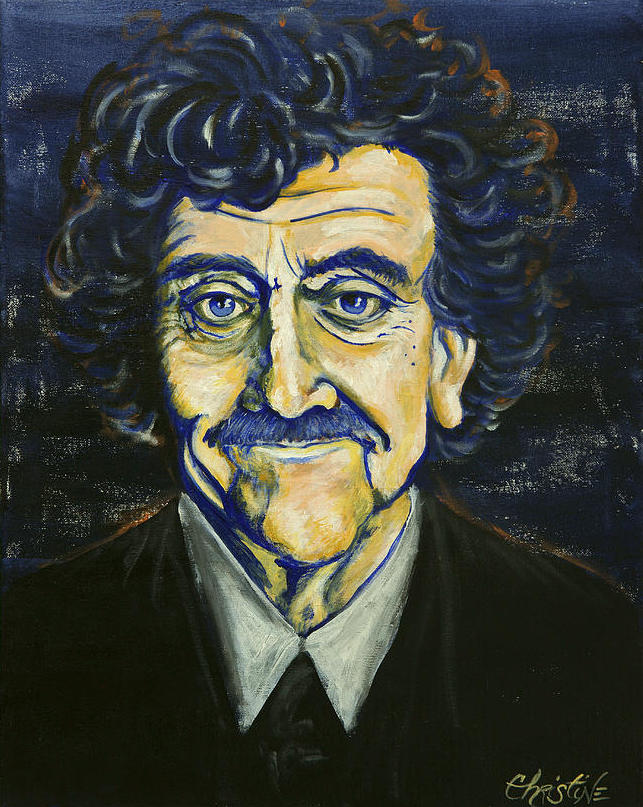
So It Goes.
Last week I saw Robert B. Weide’s incredible documentary Kurt Vonnegut: Unstuck in Time. It brought me back to my twenties when I voraciously read 13 Vonnegut books back to back. He is utterly brilliant. When I heard that he had died in 2007, I remember saying, “How is the sun still shining or world…
-

5 Tips to Heal Generational Trauma
When we think of trauma, we think of something that happens in the present. Perhaps someone witnesses a murder or is the victim of a home invasion. Or perhaps someone grows up with an alcoholic parent or has experienced sexual violence. However, there’s also something called “generational trauma” that can cause just as much damage…
-

When Love Hurts: What To Do When You Can’t Get Out
When you first fall in love with someone, it can feel like nothing can go wrong. The butterflies in your stomach, the giddy feeling whenever they call or text you. You’re head over heels and can’t wait to see them again. We all hope that the person we’re dating isn’t dangerous or an abuser, but…
-

Five Ways to Support Women Struggling with PTSD at Work
So very many workplaces are heavily male-dominated. As a whole, men hold most leadership positions and earn more than their female counterparts. When a woman is coping with PTSD, especially from sexual violence, she might find it difficult to feel safe, seen, or heard. Additionally, women are often left out of the conversation about how…
-

Childhood Shame Can Affect Adult Relationships
Do you ever feel like you’re not good enough? That no matter what you do, you can’t please anyone? If so, you’re not alone. Many people struggle with feelings of inadequacy and self-doubt. But where do these feelings come from? Maybe you were always the ‘bad’ kid in school. Maybe you were never good enough…
-

Surviving Trauma from Sexual Violence
When you’ve been sexually assaulted, it feels as though your world has been turned upside down. Everything you know and believe has been shattered. The person who violated your body and mind now occupies a space inside your head that you can never get rid of. You try to push the memories away, but they…
-

How To Find Authentic Connections With C-PTSD
If you struggle with C-PTSD, then you understand how difficult it can be to let go of the learned behaviors your brain developed to protect you in survival mode. On the road to recovery, many of us seek out genuine relationships but aren’t quite sure how to find success in them. There’s a ton of…
-

Use Radical Acceptance to Help You Cope with C-PTSD
Radical acceptance was probably the most valuable tool in my mental health toolbox while in the worst part of my recovery, and it works still to this day. The point is to accept reality how it is right now rather than hoping things will get better or wishing it was somehow different. Step One: Abandon…
 Christine Rose